


Help! I Found a Baby Kitten

(Updated Guide)
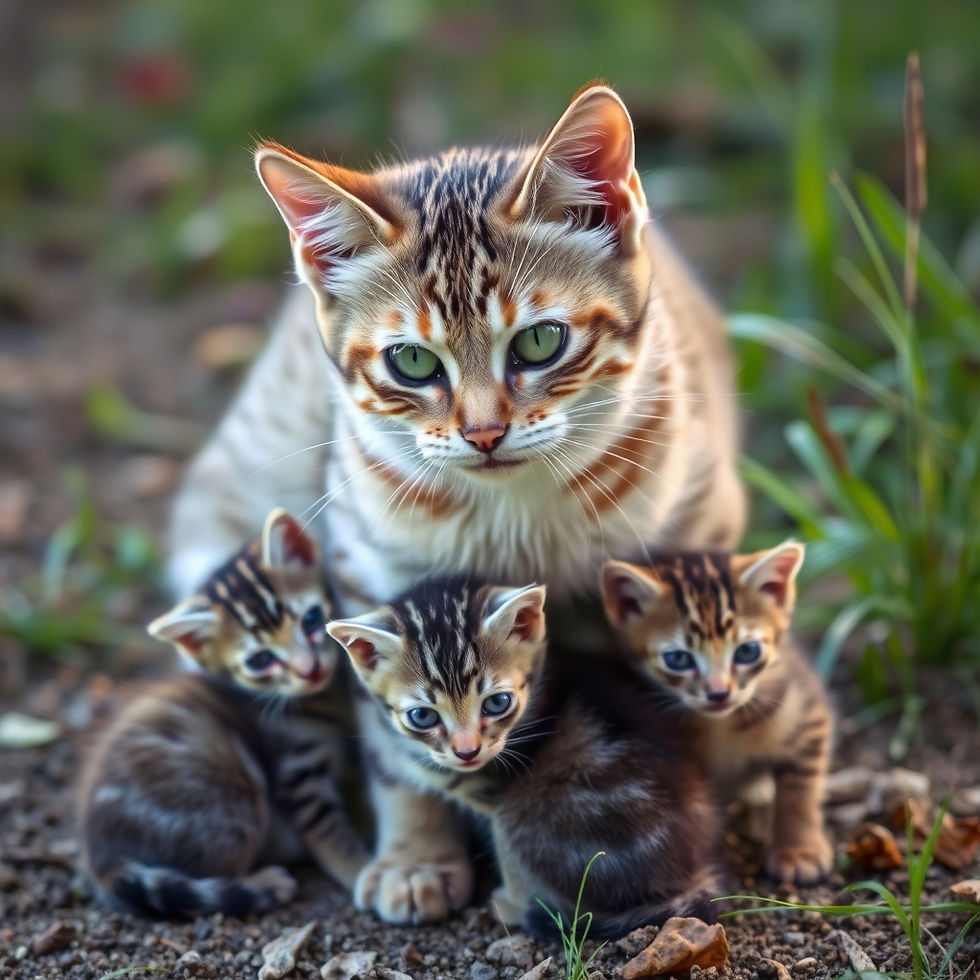
So, you found a litter of kittens laying next to the sidewalk…
Step One: WAIT! Don’t be a kitten-napper!
Do these kittens have a mom?
Pull out your magnifying glass! It’s time to do some detective work.
One of the biggest mistakes people make is assuming kittens are orphaned when mom is actually nearby taking care of business.
Follow these steps:
Wait away from the kittens — at least 50 feet or more. If you’re too close, mom won’t come back. You may even need to leave the area completely.
Check for immediate danger before leaving:
Is it raining heavily?
Are there dogs or wildlife nearby?
Are the kittens in the road?
Pro Tips:
Kittens are far more likely to die from getting too cold than from starvation.
Kittens have the best chance of survival with their mom, so give her time to return.
Sleeping kittens likely just ate. Mom is probably nearby.
Sprinkle a small amount of flour around the kittens. If you return and see paw prints, mom has been there.
If a kitten disappears, mom may be moving them one by one. Leave the rest so she can come back.
What if the mom cat returns?
Great! That’s the best-case scenario.
Mom can care for her kittens better than anyone else. If the area is relatively safe, leave the family where they are.
You can help by:
Offering food and water (placed away from where the kittens are)
Providing a simple shelter nearby
Taking the whole family inside to foster. If mom is feral, use a trap and set up your space appropriately. Be very careful. Check out: How to Foster a Feral Cat
Important: Mom cats can get pregnant again while nursing, so getting her spayed later is key to preventing more litters.
What if the area is NOT safe?
If the kittens are in danger (traffic, flooding, predators), you may need to move the family to a safer location.
If possible:
Keep mom and kittens together
Use a humane trap for mom if needed
Move them to a quiet, enclosed space nearby
What if mom does NOT return?
If you’re confident mom is not coming back (or something has happened to her), the kittens will need help, and this is where things get tricky.

First:
Try to find help locally:
Contact animal organizations or rescues
Reach out to veterinary clinics
Post in local community or neighborhood groups
If you cannot find immediate help:
You may need to care for the kittens temporarily.
First Steps for Caring for Kittens
Warmth comes FIRST
Kittens cannot regulate their body temperature
Use a heating pad that does not automatically shut off
Never feed a cold kitten! This can be fatal.
Determine their age
This will guide feeding and care
Gather basic supplies
Kitten milk replacer (do not feed milk or human baby formula)
Bottles or syringes
Heating pad
Digital scale (grams)
The MOST Important Rule: WEIGH, WEIGH, WEIGH
Weight gain is the best indicator that kittens are healthy.
Weigh kittens daily (at minimum)
Kittens should consistently gain weight
Weight loss is often the first sign something is wrong
Feeding Basics
Bottle-fed kittens (0–4 weeks)
Eat every 2–3 hours
Must be fed on their stomach, not on their back
Require stimulation to go to the bathroom after each feeding
Typically under 1lb
3–6 weeks
Transition to soft food (“gruel”)
Begin eating independently, but may still need assistance
Typically 1-1.5lbs
5+ weeks
Start eating wet and dry kitten food
Always provide fresh water
Typically 1.5-2lbs
Health Basics to Watch For
Temperature
Normal: 99.5–102.5°F
Cold kittens need immediate warming
Dehydration
Skin should snap back quickly when gently pinched
Gums should be pink, not pale
Diarrhea (typically from parisites, bacteria, etc) can quickly lead to dehydration which can quickly become fatal
Hypoglycemia (low blood sugar)
Signs include:
Weakness
Wobbliness
Lethargy
This can become life-threatening quickly. Kittens need frequent meals.
Anemia
Often caused by fleas or parasites
Look for pale or white gums
Seek veterinary care if suspected
Behavior: What’s Normal?
Kittens sleep a LOT (especially when very young)
Healthy kittens cycle between sleeping and eating
As they grow, they become playful, curious, and active
If a kitten seems consistently lethargic, unresponsive, or begins gasping for air, that’s a red flag and you should seek emergency care.
Socialization
As kittens grow:
Gentle handling helps them become friendly and adoptable
Keep interactions calm and positive
Avoid overwhelming them
Final Thoughts
Finding kittens can feel overwhelming, but taking a moment to pause, observe, and act thoughtfully can make all the difference.
Remember:
Mom is usually the best option
Warmth and weight gain are critical
You don’t have to do it alone! Reach out for help.
Even small actions can save lives.


Comments